
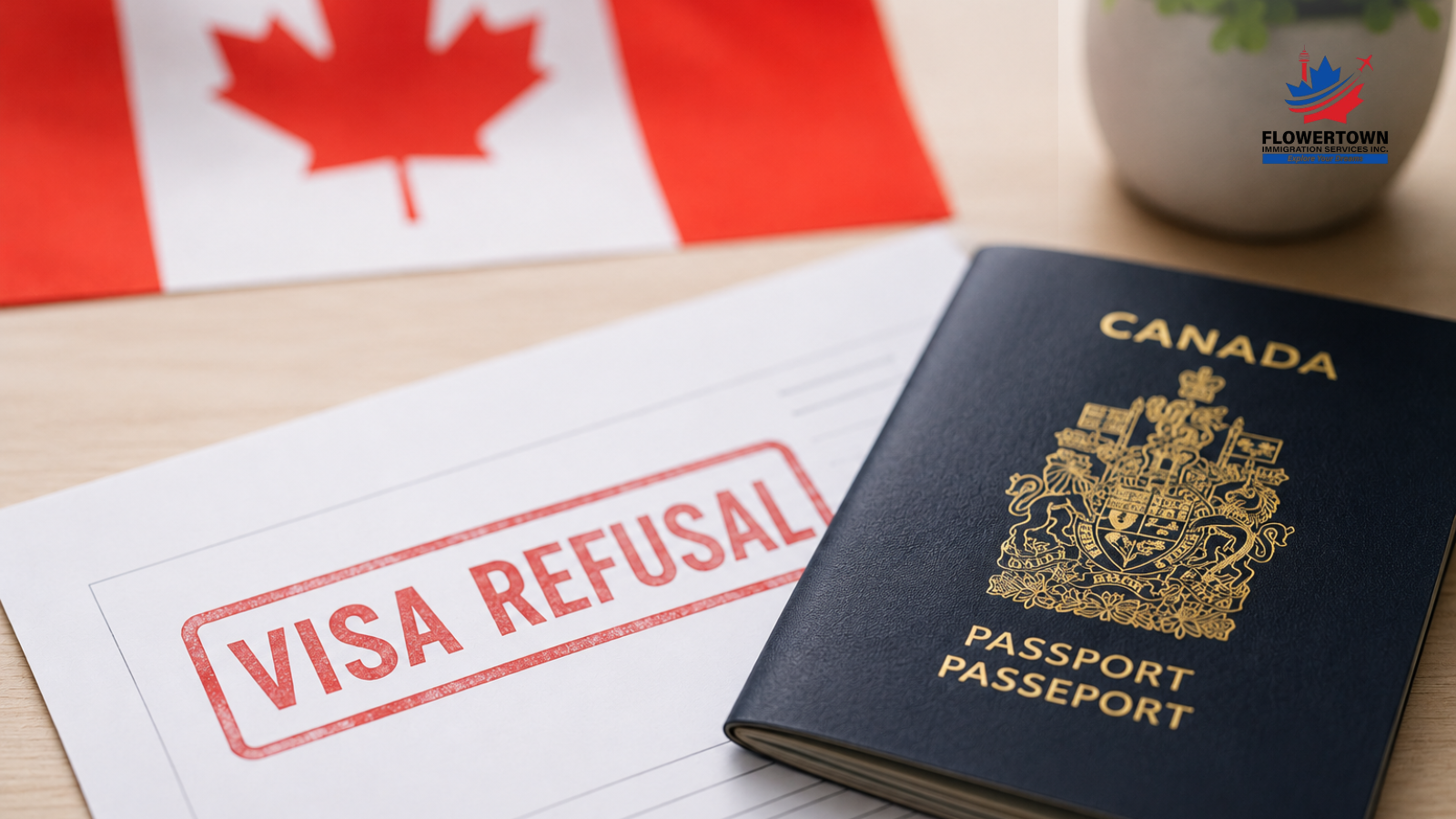
Visitor Visa Refusals: The Top Reasons IRCC Says No (and How to Fix Them)

Visitor visa refusals are a common worry for families and travellers hoping to come to Canada. Many applicants submit complete forms, valid documents, and a clear travel plan, and still get a refusal letter.
This blog breaks down the real reasons IRCC refuses visitor visa applications, using only information published by Immigration, Refugees and Citizenship Canada (IRCC) and Canada.ca. Every reason below is taken directly from its official source, so you can read the original wording yourself.
There Is No Formal Appeal for a Visitor Visa Refusal
Before we go into the reasons, one fact matters more than any other. IRCC’s Help Centre confirms there is no formal process to appeal a decision on a temporary residence application, which includes visitor visas. If you want a new decision, your only options are to re-apply with a stronger case or to file for judicial review at the Federal Court if you believe the decision was unfair or unreasonable.
This is why understanding the real reason behind a refusal matters so much. Reapplying with the same weak points almost always leads to the same result.
Reason 1: The Officer Was Not Convinced You Would Leave Canada
This is the reason IRCC lists first on its own Help Centre page about visitor visa refusals. The officer reviewing your file must be satisfied that you will leave Canada by the end of your authorized stay. If the file does not show this clearly, the application gets refused.
IRCC does not hand out a checklist that guarantees approval on this point. What it does say is that your refusal letter will list the exact reason the officer used, and reapplying with the same information will likely not change the outcome.
How to Fix It?
Show the officer why you have a life to return to. This means proof of a job, a business, property, or family responsibilities back home. If your last application did not include this, add it now. If your employment or financial situation has genuinely changed since your last refusal, IRCC itself lists this as a valid reason to reapply.
Reason 2: You Are Inadmissible to Canada
The second reason IRCC names directly is inadmissibility. If you are found inadmissible, you will be denied a visa, denied an eTA, refused entry, or removed from Canada.
IRCC lists the specific grounds for inadmissibility on its official reasons page. These include:
- Security reasons, such as espionage, subversion, violence, or terrorism
- Human or international rights violations, including war crimes
- Committing a crime, including driving while under the influence of drugs or alcohol
- Organized crime, including people smuggling or money laundering
- Medical reasons that endanger public health, endanger public safety, or cause excessive demand on health or social services
- Financial reasons, if you are unable or unwilling to support yourself and your family
- Misrepresentation, including false information or withholding information
- Failure to comply with any provision of the Immigration and Refugee Protection Act
- Having an inadmissible family member
How to Fix It?
The fix depends entirely on which ground applies to you. IRCC confirms that if you have committed or been convicted of a crime, you have options to overcome criminal inadmissibility. If your medical situation has since changed, this is also listed as a valid reason to reapply. In some cases, where you have a justified reason to travel, IRCC may issue a temporary resident permit even if you are inadmissible.
Reason 3: Financial Inadmissibility
IRCC lists financial reasons as a standalone ground for inadmissibility. This applies if you are unable or unwilling to support yourself and your family members while in Canada.
How to Fix It?
If your last refusal pointed to your financial situation, and your income, savings, or employment has genuinely improved since then, IRCC lists a change in financial situation as a direct reason to reapply. Make sure your new application clearly shows this change with current, verifiable documents.
Reason 4: Medical Inadmissibility
A medical condition can lead to inadmissibility if it endangers public health, endangers public safety, or causes excessive demand on Canada’s health or social services. IRCC does note that some applicants are exempt from this.
How to Fix It?
IRCC directly states that if you were found inadmissible for medical reasons, and those reasons have since changed, this is grounds to reapply.
Reason 5: Misrepresentation
IRCC defines misrepresentation as providing false information or withholding information that is directly related to a decision made under the Immigration and Refugee Protection Act. This is listed as its own ground for inadmissibility, separate from any document error.
How to Fix It?
Every form and every document in your application should say the same thing, every time. Do not leave gaps in your travel or immigration history. Once misrepresentation is on file, it follows you into future applications, so this reason needs the most care of all.
Reason 6: Failing to Follow the Rules of a Previous Stay
IRCC lists failure to comply with any provision of the Immigration and Refugee Protection Act as a ground for inadmissibility. Its official footnote gives direct examples: staying in Canada longer than allowed, or working or studying without the proper permit.
How to Fix It?
If you or a family member has a past overstay or a permit violation, address it directly in your new application instead of hoping the officer will not notice. Explain what happened and show what has changed since then.
What to Do After a Refusal
Based on IRCC’s own guidance, here is the realistic path forward:
- Read your refusal letter carefully. It lists the exact reason the officer used.
- Only reapply if your situation has changed significantly, or if you have new information that directly addresses the refusal reason.
- If you believe the decision itself was unreasonable or unfair, you can file an application for leave and judicial review with the Federal Court of Canada.
Talk to Flowertown Immigration Before You Reapply
Every visitor visa case is different. If you have received a refusal letter and want to understand the real reason behind it, Flowertown Immigration can review your file and help you build a stronger application, with expert guidance you can trust every step of the way.
If you are dealing with a visitor visa refusal, do not guess your way into a second one. Book a free assessment with Flowertown Immigration and let us go through your refusal letter, identify the real reason behind it, and build your next application around it. Visit flowertown-immigration.square.site to get started.
Frequently Asked Questions
Can I appeal a visitor visa refusal?
No. IRCC confirms there is no formal appeal process for temporary residence decisions, including visitor visas. Your options are to reapply with a stronger case or request judicial review through the Federal Court.
Will hiring a consultant guarantee my next application gets approved?
No. IRCC states directly that a representative does not increase your chances of approval and cannot change a previous decision.
What counts as a real change in my situation before I reapply?
IRCC gives examples that include a changed purpose of visit, a changed employment or financial situation, an approved application for criminal rehabilitation, and a resolved medical inadmissibility.