
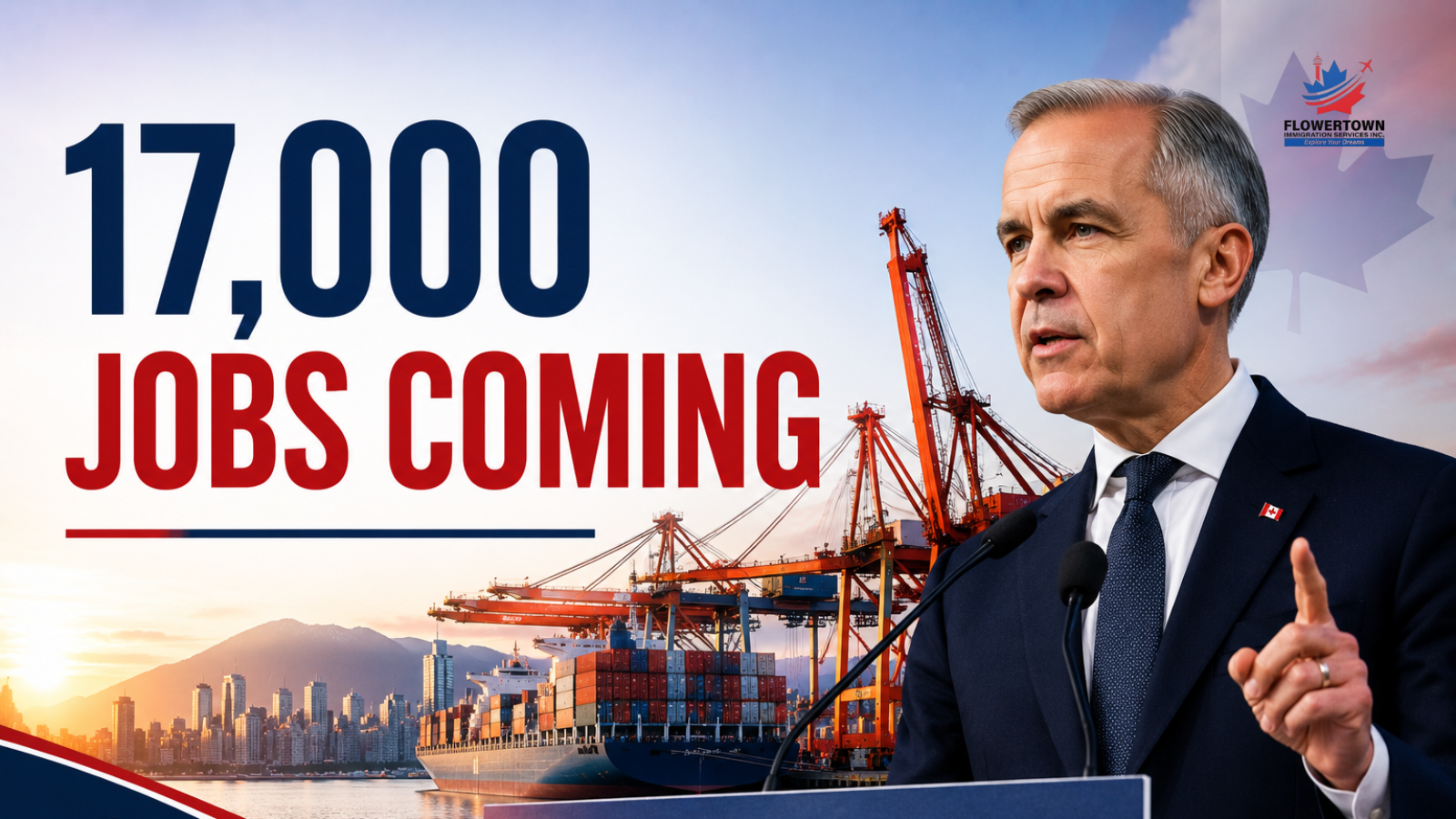
$10 Billion Port Expansion Just Got Carney’s Backing: 35,000 Jobs Are Coming to B.C.

Prime Minister Mark Carney has thrown his support behind the Roberts Bank Terminal 2 expansion at the Port of Vancouver, calling it necessary for Canada to grow exports and reduce reliance on the United States. He made the comments during a tour of Global Container Terminals’ Deltaport facility in Delta, B.C., as reported by The Canadian Press via Global News.
Carney said the Port of Vancouver’s current capacity already exceeds the next five biggest ports in Canada combined, but within a decade it won’t be enough. The federal government is planning to invest more than $10 billion to expand the port, a move Carney said would grow exports away from the United States by over 50 percent.
The numbers behind this project are significant. The expansion is expected to create roughly 17,000 to 18,000 jobs during construction, plus another 17,000 full-time jobs once the additional capacity is operational. Transport Minister Steven MacKinnon has said the project would enable $100 billion in new annual trade capacity.
The plan centres on a proposed new three-berth terminal that would increase the port’s container capacity by 50 percent. Ottawa referred the project to Canada’s Major Projects Office two weeks before Carney’s visit, opening the door to possible fast-tracking. The Major Projects Office is expected to begin consulting with Indigenous communities immediately, and Carney said the government is working with local First Nations to share in the economic benefits while maintaining environmental protections.
The project has faced pushback from environmentalists for years over its potential threat to endangered southern resident killer whales. Carney noted the federal government has been committing funds toward protecting both southern resident whales and Pacific salmon. Alberta’s proposed West Coast oil pipeline, which would terminate at Roberts Bank, is also being considered as part of the broader plan for the port.
Why This Matters for Skilled Workers?
A project of this scale, both in construction and long-term port operations, typically drives sustained demand for skilled trades, engineering, logistics, and transport occupations in the region. For anyone eyeing a path to permanent residence through BC’s immigration streams, developments like this are worth tracking, since large infrastructure investments often translate into more job offers in exactly the sectors that programs like the BC PNP tend to prioritize.
Book Your Consultation!
Major infrastructure investments like this one can shift where job opportunities open up across British Columbia. If you want to understand how a development like this connects to your own path toward permanent residence, book a consultation with Flowertown Immigration. Our licensed RCIC consultant will walk you through your specific situation clearly and honestly.
Frequently Asked Questions
What is the Roberts Bank Terminal 2 project?
It is a proposed expansion of the Port of Vancouver, adding a new three-berth terminal that would increase the port’s container capacity by 50 percent, backed by more than $10 billion in federal investment.
How many jobs will this port expansion create?
The project is expected to create approximately 17,000 to 18,000 construction jobs, plus another 17,000 full-time jobs once the expanded capacity becomes operational.
Why is Ottawa fast-tracking this project?
The federal government referred the expansion to Canada’s Major Projects Office to enable possible fast-tracking, as part of a broader push to grow and diversify Canada’s export capacity away from reliance on the United States.
What environmental concerns have been raised about this expansion?
Environmentalists have opposed the project for years over its potential threat to endangered southern resident killer whales. The federal government says it is committing funds to protect both southern resident whales and Pacific salmon alongside the expansion.
Could this project affect immigration opportunities in British Columbia?
Large infrastructure projects like this one tend to increase demand for skilled trades, engineering, and logistics occupations, which are the kinds of roles often prioritized under BC’s immigration streams. More construction and operational hiring in the region could mean more job offers becoming available for candidates in relevant occupations.